Sasquatch Research Oddities
All of these bigfoot research pictures were all taken by our Sasquatch Investigations of the Rockies team.
|
|
|
|
|
|
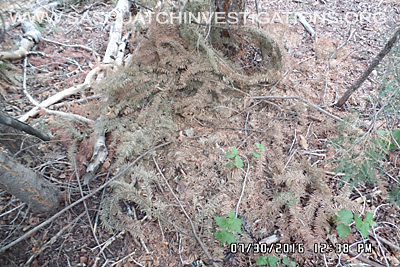
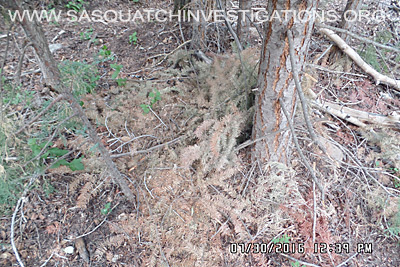
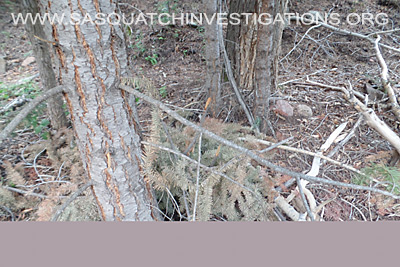
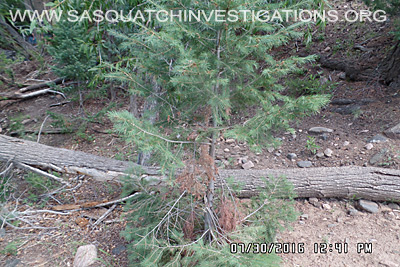
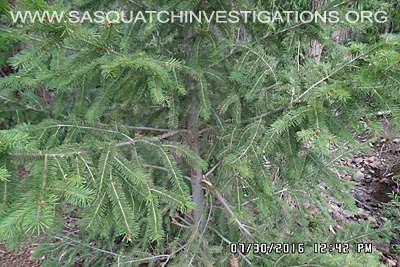
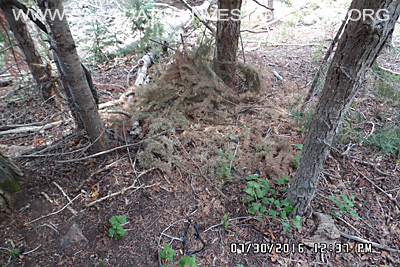
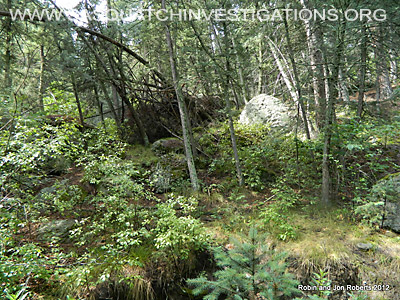
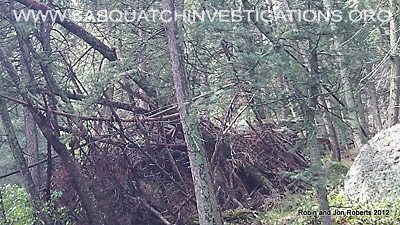
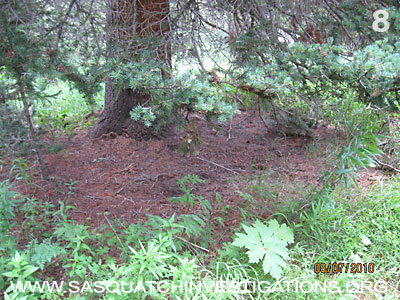
Sasquatches exhibit nesting behavior when pregnant. We feel this nest serves to cover up the scent of the infant and provide some warmth during the early stages of it’s life. When the infant is born, the branches are always green and very pungent with odor. This nest was made in the Spring of 2016 is my belief. It is an outstanding find. This means a mother and infant maybe close by. Mike – SIR
.
|
|
|
|
|
|
|
|
|
|
|
|
|
|
|
|
|
|
|
|
|
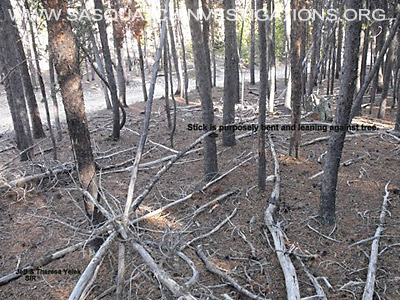
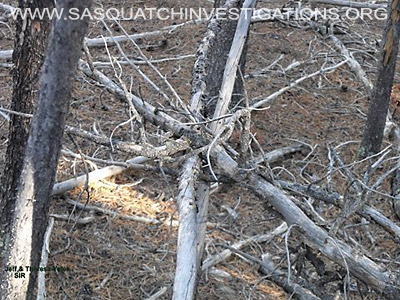
.
|
|
|
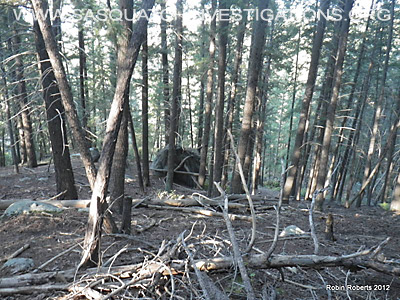
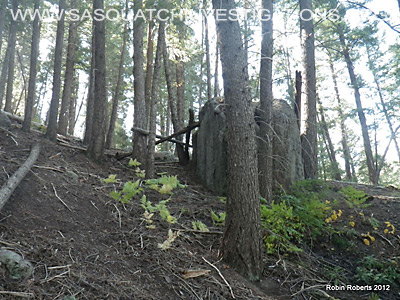
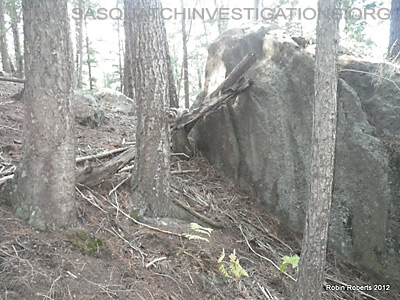
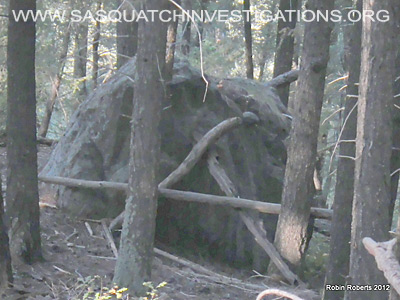
.
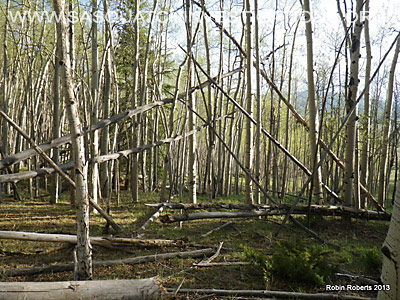
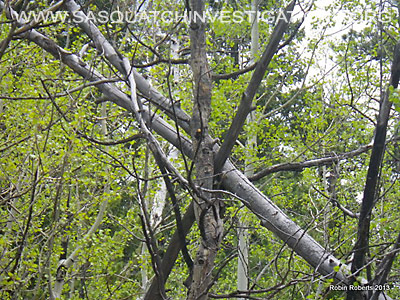
Robin, Jon and I became friends after Robin reported a sighting on the southern front range of Colorado in snowy conditions, which I was able to collaborate with another recent sighting in the area we had received. With a quick search of the area, significant tree breaks were found with my help.
Robin and Jon started their search on their own and quickly became enamored with all the evidence they were finding in this new area. I helped them very little in getting started with this group, but offered advice and support.
|
|
|
|||||||||||||||||||||||||||||||||||||||||||||||||||||||||||||||||||||||||
| . | ||||||||||||||||||||||||||||||||||||||||||||||||||||||||||||||||||||||||||
|
|
||||||||||||||||||||||||||||||||||||||||||||||||||||||||||||||||||||||||||
| . | ||||||||||||||||||||||||||||||||||||||||||||||||||||||||||||||||||||||||||
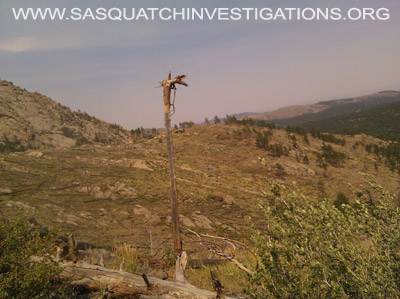
| This upside down tree was found on top of a ridge in Northern Colorado. With the recent severe fire activity in Colorado, our researchers, such as Jeff Yelek, have had to look for new locations to explore. |
||||||||||||||||||||||||||||||||||||||||||||||||||||||||||||||||||||||||||
 |
|
|||||||||||||||||||||||||||||||||||||||||||||||||||||||||||||||||||||||||
| Sasquatches use this as a show of strength and to let others know they are still in the area. This is an important find for us this year. | ||||||||||||||||||||||||||||||||||||||||||||||||||||||||||||||||||||||||||
| . | ||||||||||||||||||||||||||||||||||||||||||||||||||||||||||||||||||||||||||
|
|
||||||||||||||||||||||||||||||||||||||||||||||||||||||||||||||||||||||||||
| . | ||||||||||||||||||||||||||||||||||||||||||||||||||||||||||||||||||||||||||
 |
|
|||||||||||||||||||||||||||||||||||||||||||||||||||||||||||||||||||||||||
| . | ||||||||||||||||||||||||||||||||||||||||||||||||||||||||||||||||||||||||||
|
|
||||||||||||||||||||||||||||||||||||||||||||||||||||||||||||||||||||||||||
| . | ||||||||||||||||||||||||||||||||||||||||||||||||||||||||||||||||||||||||||
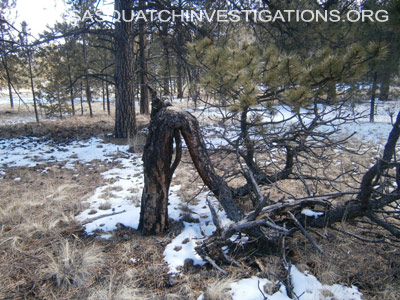
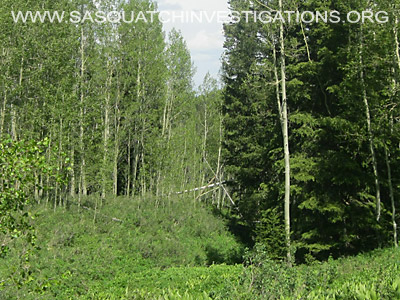
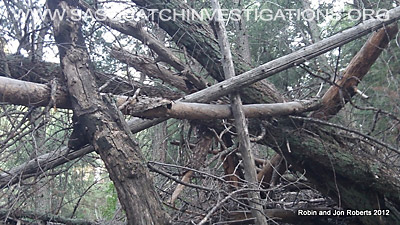
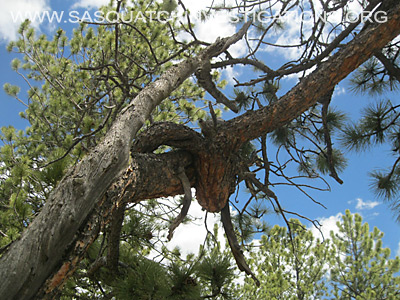
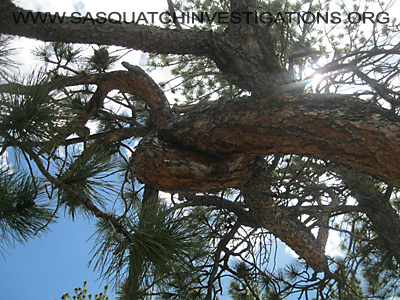
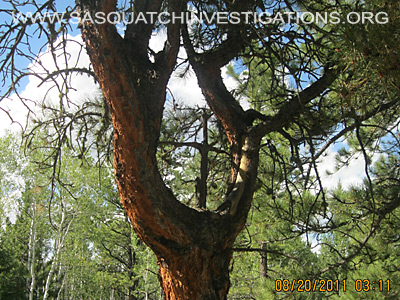
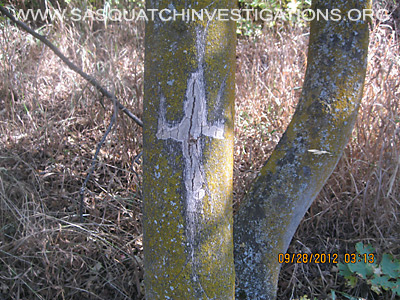
| Unusual tree shapes and tree manipulation are found in areas where Sasquatches are known to inhabit. |
||||||||||||||||||||||||||||||||||||||||||||||||||||||||||||||||||||||||||
|
|
|
|||||||||||||||||||||||||||||||||||||||||||||||||||||||||||||||||||||||||
| . | ||||||||||||||||||||||||||||||||||||||||||||||||||||||||||||||||||||||||||
|
|
||||||||||||||||||||||||||||||||||||||||||||||||||||||||||||||||||||||||||
| . | ||||||||||||||||||||||||||||||||||||||||||||||||||||||||||||||||||||||||||
|
|
|
|||||||||||||||||||||||||||||||||||||||||||||||||||||||||||||||||||||||||
| . | ||||||||||||||||||||||||||||||||||||||||||||||||||||||||||||||||||||||||||
|
|
||||||||||||||||||||||||||||||||||||||||||||||||||||||||||||||||||||||||||
| . | ||||||||||||||||||||||||||||||||||||||||||||||||||||||||||||||||||||||||||
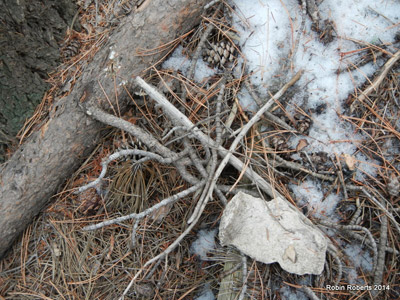
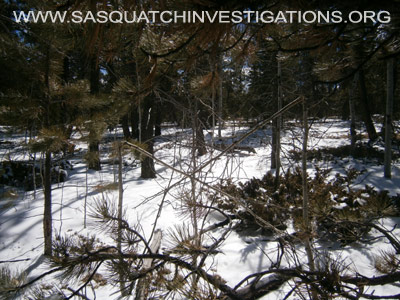
| This last Saturday I went by myself to Rampart Range to investigate north of one of my old spots. Here is the fruits of that’s days labor.I hiked over 9 miles up and down about 1100 feet in elevation change to achieve this set of photos through snow and steep terrain, but it was worth it. I will show you why. I will go through step by step why this was a good day and what I gleaned from this spot. It will be enlightening. |
||||||||||||||||||||||||||||||||||||||||||||||||||||||||||||||||||||||||||
|
|
|
|||||||||||||||||||||||||||||||||||||||||||||||||||||||||||||||||||||||||
| This is important. Notice the signs. They speak volumes to me. Michael | ||||||||||||||||||||||||||||||||||||||||||||||||||||||||||||||||||||||||||
| . | ||||||||||||||||||||||||||||||||||||||||||||||||||||||||||||||||||||||||||
|
|
||||||||||||||||||||||||||||||||||||||||||||||||||||||||||||||||||||||||||
| . | ||||||||||||||||||||||||||||||||||||||||||||||||||||||||||||||||||||||||||
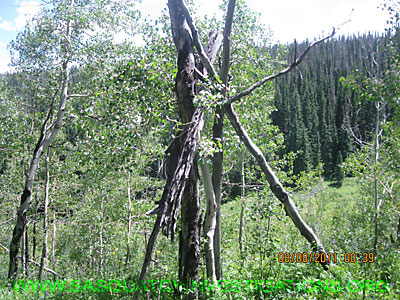
| This large tree structure is located in our Northwest Colorado location overlooking our ravine. |
||||||||||||||||||||||||||||||||||||||||||||||||||||||||||||||||||||||||||
 |
|
|||||||||||||||||||||||||||||||||||||||||||||||||||||||||||||||||||||||||
| . | ||||||||||||||||||||||||||||||||||||||||||||||||||||||||||||||||||||||||||
|
|
||||||||||||||||||||||||||||||||||||||||||||||||||||||||||||||||||||||||||
| . | ||||||||||||||||||||||||||||||||||||||||||||||||||||||||||||||||||||||||||
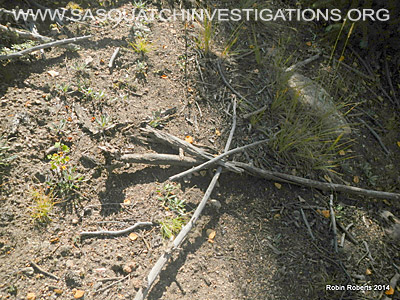
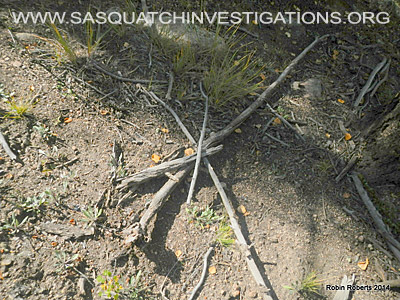
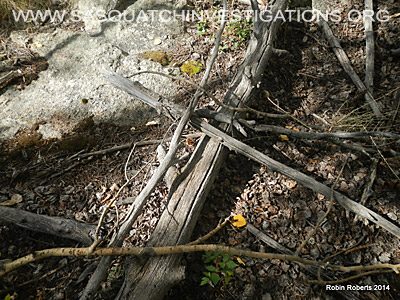
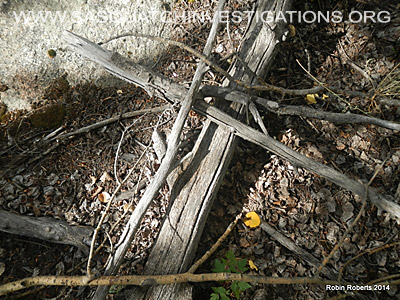
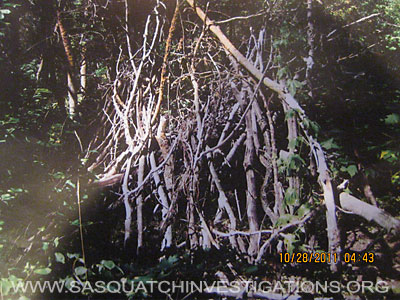
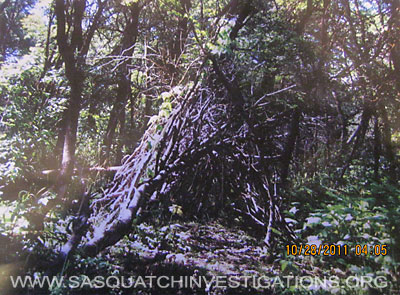
| This stick structure was found in Utah. |
||||||||||||||||||||||||||||||||||||||||||||||||||||||||||||||||||||||||||
|
|
|
|||||||||||||||||||||||||||||||||||||||||||||||||||||||||||||||||||||||||
|
|
||||||||||||||||||||||||||||||||||||||||||||||||||||||||||||||||||||||||||
| . | ||||||||||||||||||||||||||||||||||||||||||||||||||||||||||||||||||||||||||
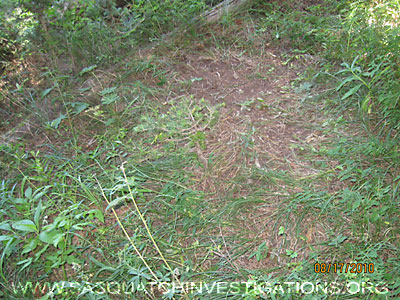
| In our Northwest Colorado location, we have seen what we believe is Sasquatch bedding behavior. |
||||||||||||||||||||||||||||||||||||||||||||||||||||||||||||||||||||||||||
|
|
|||||||||||||||||||||||||||||||||||||||||||||||||||||||||||||||||||||||||
| . | ||||||||||||||||||||||||||||||||||||||||||||||||||||||||||||||||||||||||||
| Here’s new pictures from the same Northwest CO location where we’ve seen Sasquatch bedding behavior. |
||||||||||||||||||||||||||||||||||||||||||||||||||||||||||||||||||||||||||
|
|
|
|||||||||||||||||||||||||||||||||||||||||||||||||||||||||||||||||||||||||
| . | ||||||||||||||||||||||||||||||||||||||||||||||||||||||||||||||||||||||||||
|
|
|
|||||||||||||||||||||||||||||||||||||||||||||||||||||||||||||||||||||||||
|
|
||||||||||||||||||||||||||||||||||||||||||||||||||||||||||||||||||||||||||
| . | ||||||||||||||||||||||||||||||||||||||||||||||||||||||||||||||||||||||||||
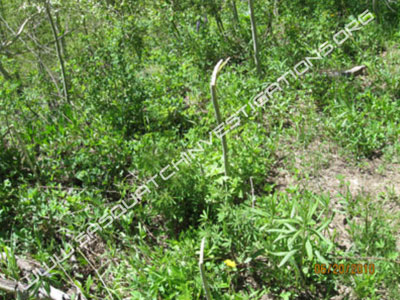
| This fresh tree branch was placed outside our tent while we were sleeping. |
||||||||||||||||||||||||||||||||||||||||||||||||||||||||||||||||||||||||||
|
|
|
|||||||||||||||||||||||||||||||||||||||||||||||||||||||||||||||||||||||||
|
|
||||||||||||||||||||||||||||||||||||||||||||||||||||||||||||||||||||||||||
| . | ||||||||||||||||||||||||||||||||||||||||||||||||||||||||||||||||||||||||||
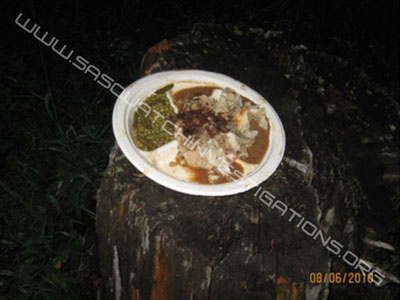
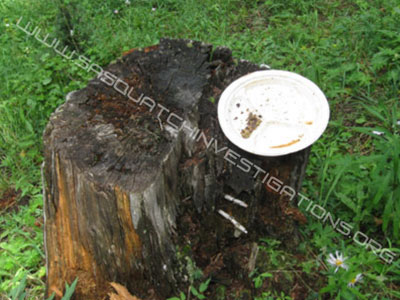
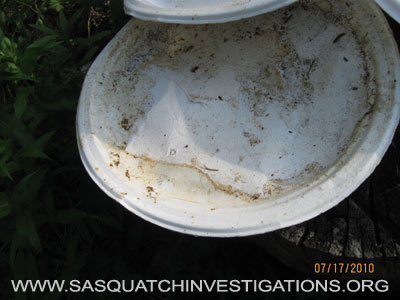
| This plate of food was left out at night and consumed with no bite or claw marks. |
||||||||||||||||||||||||||||||||||||||||||||||||||||||||||||||||||||||||||
|
|
|
|||||||||||||||||||||||||||||||||||||||||||||||||||||||||||||||||||||||||
|
|
||||||||||||||||||||||||||||||||||||||||||||||||||||||||||||||||||||||||||
| . | ||||||||||||||||||||||||||||||||||||||||||||||||||||||||||||||||||||||||||
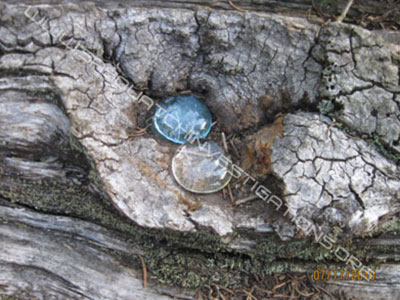
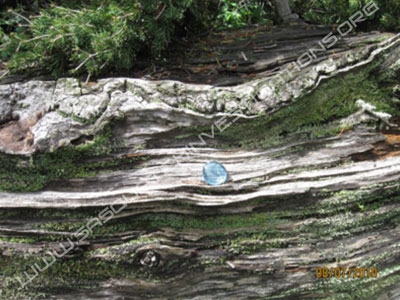
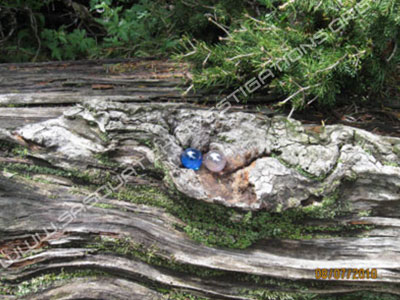
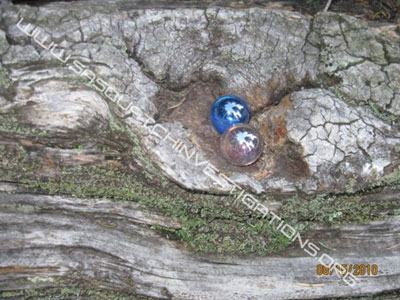
| These clear and colored objects were found in the same area, as possible gifts |
||||||||||||||||||||||||||||||||||||||||||||||||||||||||||||||||||||||||||
|
|
|
|||||||||||||||||||||||||||||||||||||||||||||||||||||||||||||||||||||||||
|
|
||||||||||||||||||||||||||||||||||||||||||||||||||||||||||||||||||||||||||
| . | ||||||||||||||||||||||||||||||||||||||||||||||||||||||||||||||||||||||||||
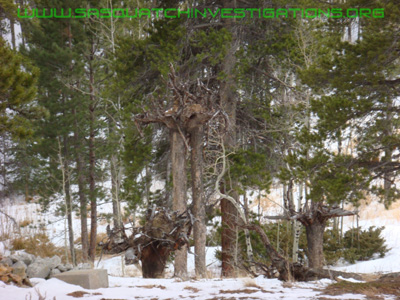
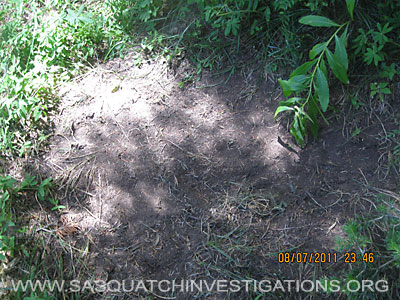
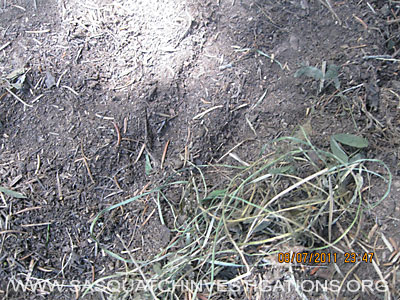
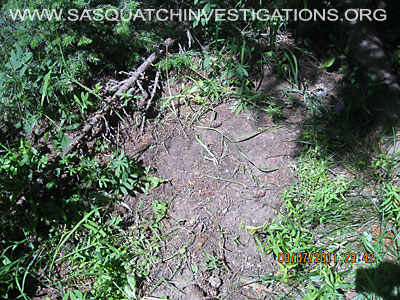
| This Sasquatch research event occurred in March, 2011 in Gilpin County Colorado. |
||||||||||||||||||||||||||||||||||||||||||||||||||||||||||||||||||||||||||
 |
|
|||||||||||||||||||||||||||||||||||||||||||||||||||||||||||||||||||||||||
| . | ||||||||||||||||||||||||||||||||||||||||||||||||||||||||||||||||||||||||||
| Or did Sasquatches who are in captivity in the gated community make it? We don’t know? Do you? Please share any experiences you have had with this Sasquatch mystery. |
||||||||||||||||||||||||||||||||||||||||||||||||||||||||||||||||||||||||||
| . | ||||||||||||||||||||||||||||||||||||||||||||||||||||||||||||||||||||||||||
|
|
||||||||||||||||||||||||||||||||||||||||||||||||||||||||||||||||||||||||||
| . | ||||||||||||||||||||||||||||||||||||||||||||||||||||||||||||||||||||||||||
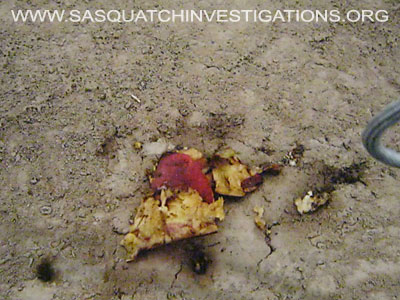
| As part of a Sasquatch research event in 2009, I left this large piece of fruit for them. |
||||||||||||||||||||||||||||||||||||||||||||||||||||||||||||||||||||||||||
 |
|
|||||||||||||||||||||||||||||||||||||||||||||||||||||||||||||||||||||||||
| . | ||||||||||||||||||||||||||||||||||||||||||||||||||||||||||||||||||||||||||
|
|
||||||||||||||||||||||||||||||||||||||||||||||||||||||||||||||||||||||||||
| . | ||||||||||||||||||||||||||||||||||||||||||||||||||||||||||||||||||||||||||
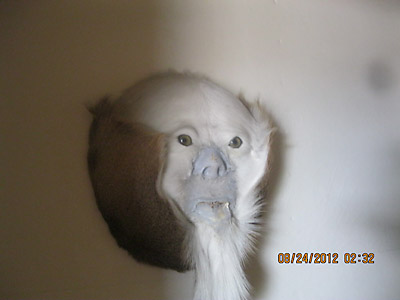
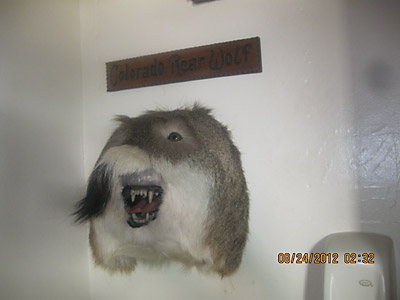
| These odd looking fellows hang in the men’s bathroom in a small town in NW Colorado. |
||||||||||||||||||||||||||||||||||||||||||||||||||||||||||||||||||||||||||
|
|
|
|||||||||||||||||||||||||||||||||||||||||||||||||||||||||||||||||||||||||
Find out more about our Bigfoot Research

{ 42 comments… read them below or add one }
I am a Colorado native for the most part. I have had encountersmostof my life. I spent many years observing the creatures and signs that they were in the area. I have lived in Eagle and Routte Counties. Though investigators have failed to meet me in person I have been dismissed by other investigators. Ought as well get that out in the open right off.
I wish to comment on the tree structures. For several years (years ago) I noticed that there was a LOT of tree breaks and leans on the Eagle river. I am sure that you know that for the majority of Eagle County the Eagle River runns along side Interstate 70. There are only a few areas that are open where such animals could cross the interstate to get to the other side. If you look at the tree leans they do seem to be markers that would say ‘not there, go that way.’ They are big enough to be seen at a good distance and they are subtle enough to be un-noticed by most. Haven’t looked in a while to see if they are still there. But thought I would add what I have noticed since you asked.
Excellent!!!!
Extremely Fascinating research. I appreciate anything I can learn.
Great work! absolutely fascinating!
Excellent field reports!
Goes to show what results from knowledgeable, careful fieldwork.
WOW ! Is an understatement of all time. This is the first time on this site for me. I am impressed, to say the least, with your work and documentation.
The more I study on this subject of the Sasquatch, the more curious I become. Looking back over the years of my travels and working in the local Southern California Mountains I can recall seeing many of the items you have pointed out as indicators of activity; i.e., the ‘tee pee’ structure, the bent over pines, the snapped off trees on rare occation, and probably many more items I was just to ‘dumb’ to understand what I was looking at.
i like the way you guys think, if this phenomenon is brought to light in our life times it will be by you folks or people like you.not by people with television shows. stay true to yourselves.
this is great work. I really believe that Sasquatch want peace with us. The inconsistencies of human social behavior must be very confusing or frustrating to them. They seem to be willing time and again to test the waters anyway, I guess in hopes that more and more friendly humans will agree with them. Your statements about the Cross struck a deep chord in me. Yes, they know.
thank you all for your wonderful coments. Everyone have a blessed day. 🙂
AWSOME WORK AWSOME SITE:)
Hi fellow field researchers! This is one of the best sites on the web,you people are doing a great job! Also there are a few birds that could take your blue and clear trinkets.
I just found your site and it is fantastic. The phenomena and behaviors you show and describe are very similar to what I’ve encountered here around my home in guess where? Virginia. Keep up the good work.
I just found your site and it is awesome. Everything your doing makes so much sense. And the way you present it. I will continue to view your site for the truth & honesty that you provide. This idea of gifting from you & the Sasquatch proves that want they peace as well as we do. I have a question. If the beds of mother & baby are that evident & possibly year after year they come back to have more young, (is there a possibility that trail cams can be used near their bedding? or even near your camp site to really capture excellent pictures as long as the cam doesn’t scare them).
There are so many fakes on the internet that its not even interesting to view because of out of focus tricks they pull. Stay true to yourselves & continue positive research!
Love the site. Thanks. The wall hangings are nothing more than taxidermist’s humor. Just Google “FUNNY TAXIDERMY”. The two examples you have are both the backsides of deer. The top one is an upside down White Tailed Deer. The mouth is actually the deer’s butt. The bottom is a mule deer (not upside down) with a butt for the mouth as well.
This taxidermist lives in an area full of Sasquatches with a long history of activity. Maybe, just maybe these meant a little more to him? Maybe its his subtle way of telling others his thought on the subject. Thanks for the kind words, Mike. We try. There is more to come. Promise… Thanks, Mike SIR 🙂
I recently found your site as have many others. First I think your perspective is wonderful. Your attitude at looking at these beings co-inhabitors of this planet, and NOT something to ‘bag,tag and dissect’ is awesome.
I don’t care how many Dr. Meldrum and Matt Moneymaker types there are out there-They will simply NEVER get the indisputable evidence that they want to prove to the general population that these beings exist. The Bigfoot’s ability to drain batteries and white out film is an indication in my mind that they can and do evade this type of exposure.
Interestingly, paranormal researchers report similar phenomenon. Some people say that the reason that Bigfoot bodies aren’t found is similar to the reason that bear and other apex predator bodies are not found. That may be true but then again there aren’t literally hundreds of people out in the woods looking for bear and cougar remains. These beings are intentionally and logistically hiding themselves-alive or dead.
As hard as people have been looking for them one would think that someone would have found a carcass or something substantial. Tantalizingly, all that seems to be gathered are footprints, scat, hairs. Just enough to whet the appetite but that in some circles, is simply not enough evidence. Personally I don’t believe most of mankind will be content until they have a taxidermied individual, standing and stuffed on exhibit at the Smithsonian.
The Bigfoot will engage in one to one relationships with beings that they trust and that have gone into their world exuding a sense of friendship like your team does. I also believe they have some telepathic abilities and ‘know’ who is friend or foe. I am going to go to a very remote section of Oregon ( I live in Josephine County with a high number of sightings) to camp at the end of this month. I am going with the attitude of gifting them and have already had strong mental images of what I am to bring them in terms of food and trinkets. Crazy? Maybe.
But I feel strongly they know I am coming. I can’t prove it but the feelings I get are so overpowering I can’t help but believe there is a spiritual dimension to these beings that those of the ‘they are an apelike hominid animal only’ camp are missing out on. In fact I think that a lot of these so called researchers out in the woods banging sticks and screaming are providing the Bigfoot with some much needed entertainment.
I’d like to draw a cartoon of a Bigfoot father, mother and offspring sitting on a mountainside, passing a bowl of popcorn, doubling over in laughter while the screaming, stick banging researchers are stumbling around in the dark with all their hi tech devices and making fools of themselves.LOL
I have no desire to try to film or record them but am taking a camera in case I come across footprints, rock stacks etc. Anyway thanks for your site and keep up the relationship building with these beings. I think that is where you are going to find the greatest success.
You are on the right track with a good sense of where your headed and what you want to do to try and help. It is complex, it is complicated. It is fun. It is always good to make a new friend. And most of all you are right, it can’t always be about us. Please feel free to e-mail me anytime and update me on your endeavors. Thanks for the kind words and I hope you find what you are looking for. I am lucky, I have… Thanks, Mike SIR 🙂
Gifts of trinkets are well accepted by a group I visit. I have found they love peanuts, peanut butter, bananas, carrots, celery, plain popcorn as well as cinnamon. If you are true of heart and spirit they are accepting. Maybe whistle or call out something when you enter an area. They will quickly learn who you are. Enjoy your outing and may you make new forest friends while you are there. Kristi
Thanks Kristi
I was hesitant posting here as I have seen so many trolls on other bigfoot forums and people can be so nasty but apparently this site attracts those of a kinder and gentler mindset.
I am taking salmon wrapped with cooked bacon with pine nuts drizzled with some honey. Call me crazy. I have never eaten that myself in that combination but I keep getting these menu items clearly in my head. I will also take a variety of nuts and some dried fruit. I have 2 polished pieces of quartz I believe. One is pink, the other green. I have many polished rocks but these are the ones I keep thinking about. I also had some large pretty glass beads I strung with heavy duty thread that I will leave.
Maybe nothing will happen when I go. I just want to take these things in a spirit of benevolence and trust.
These beings must be protected and I wonder if any of us ( with the type of thinking I am experiencing on this wonderful and rational site) would expose them if we, for instance, found the holy grail of evidence? (remains, full film footage etc) That came to me the other night. Every one wants to find them but if we did and our evidence led to an army of humans ready to capture one, would we do it? Something to think about.
And Kristi, could you share more of your experience? I like what you said.
I recently moved into a somewhat remote part of Gilpin County. I’ve been fascinated by “Bigfoot” my entire life. I wouldn’t go hunting for them in the night and I have to admit that the idea of seeing one peering in my window after dark is a bit unnerving – however, I am excited to be in an area that has substantial activity and truly appreciate your approach and philosophies.
I had avery clear and straight forwarding sighting of 3 bigfoots several years ago. I believed they existed in the past. In becoming fascinated by Bigfoot and searching on the web. I believe bigfoot bodies have been found in the past. I believe they have been shot at and more then likely killed by humans on numerous occasions. Our government simply refuses and never will acknowledged that. Though my incident as a peaceful event. I happen to believe the book on missing person in a National Parks (411) might be more reflective of their nature. Many native americans legends suggest they eat humans. So I suggest leaving them alone
Maybe someone asked but did you leave any crosses at the Exchange station near the cross tree formation?
I find your perspectives very well thought. My only issue is with your spelling. Please…to be taken seriously as a professional website proofread before posting. The misuse of “their” and “there” was so prolific I was constantly distracted. One cannot post with such blatant errors. It detracts from your intelligence. I say this with good intent only. Keep up the good research.
I agree and appreciate your remark Terri. It’s ironic however, that you failed to capitalize your own name 🙂 But you are right – a typo here and there is understandable, but not chronic grammar issues, on any website. I do love these researchers’ attitude and approach though!
These creatures are evidently real. There is a long known history of their existance according to the Native American tribes. What are they? They are either another type of great ape, somewhat like man, that is also very clever at eluding being discovered, or they are some type of cross bred or other being put here by unknown others… Think of a Wookie like being that is multi-dimensional or something like that. It’s weird to think about, but also quite exciting. I think we should leave them alone. We do not need to capture one, or kill it. Somethings, like this mystery, are just best ignored. If there is a sudden invasion of horny Sasquatches toting off young females and ransacking the food stores or farm fields, then we should be alarmed…but, so far, there isn’t! Let them live in solitude and unmolested by man.
Regarding the four tree stumps hammered into the ground upside down in Gilpin County, I believe they are showing you a representation of their family unit — two adults and two children.
Great article, awesome and filled with pics, what an incredible read !
Thanks, looking forward to more !
I really enjoyd readingbout your findngs and looking at your pix.I believe bigfoots stay in hiding because they kno man will kill them study them and perform experiments on thm!One day soon the truth will be revield to us..anyways keep up the good work!!I hope you find wht u seek and the squatches can live in peace..after all they are the hunted,,by uss!!!
I had a visit a few years ago….finding this site was wonderful for me. Upon clearing berry bushes…. I have found almost a dozen tree roots on my property. A huge one is still upright . It’s nice to know they are around. I even had a juvenile leave prints on my windows.
Amazing stuff, why has nobody else picked up on the tree signs? or maybe it has been mentioned before i’m quite new to the bigfoot issue. Keep up the good work i really think you’re onto something here, i live in England so there’s no chance of me doing any field work but i’ll keep a check on your activities, also i’ll be looking out for these tree formations on the web in pictures etc it’s good to see someone who wants to understand the creatures rather than race out with a gun to kill them…….long may the sasquatch roam!
I spend a lot of time in the forest foraging wild foods, especially mushrooms. I started noticing “forts” that looked human made but were so deep in the forest that it seemed unlikely. I sort of dismissed it and then today I was on a friend’s land in MN that is very remote and started seeing these forts all over. They were always in the deepest and darkest part of the forest. They were not all large enough to fit a large being like sasquatch but were clearly intentionally made “shelters”. As forts or shelters, ( I do not what else to call them) they would not keep out rain very well or keep in heat. Yet the way the sticks and bark were put together had clear intention. Some of the “forts” had tree limbs that were bent to assist in the creation of the structure but were still alive. I am not sure if this is a sasquatch thing, or nature spirits or what?… Although I do believe in a greater nature intelligence I did not go looking for these structures and had never heard of them before. I was relieved to see such things on your website. Nature is magical and sacred. I am very grateful for this experience.
Clear, yet simple. Could I send you some e-hugs?
O K ,this is just a theory,but like most theories,people only believe them until they think of another one that better suits the ideal of what they want to believe.Anyway,maybe when they try to beam up the big foots they hug on to the tree and wont let go until there extremely high up in the air, and then they drop the tree.
Very intriguing. I live in South East Tennessee and am an avid hunter and fisherman. I’ve noticed weird sounds from rocks and wood knocking before. Never seen any tracks from the Sasquatch or anything. New an old man that told me a story about how he saw a pair crossing the slew/sleu in the back of a tributary creek for the Tennessee River in Northern Hamilton county in the late 1940’s. Said they weren’t bears because the stayed upright and walked thru the water. Freaked him out. I’ve been a firm believer in the existence of Sasquatch since becoming increasingly interested with learning about them since the mid 1980’s. Can’t wait for the new Survivorman Bigfoot episodes to come on TV on 4-3-15. I love anything about the Sasquatch , and feel like I can hang in any conversation about them.
Not sure about all of this, never has any DNA or other physical evidence collected. They eat from a plate, walk on the ground and not a single foot print or hair? As much as the tree information is entertaining, without any physical proof, its all theory. No one seems to capture a picture or video and if they try to submit something, there is always something wrong with camera or some excuse. I applaud the energy, but there’s still no proof.
Survivor bigfoot was an insulting hype….. I am not ready to believe we have a primate , hybrid or whatever else until one is captured, found dead, or reliable video shows it….
The truth is there is a multitude of evidence, what is really lacking is reliable people testing the evidence and the funds to support the testing. A simple truth test on that is the hand print on this website. There is more than enough for some one to make an educated guess of what it belongs too, yet no one does. Why? If you left that huge amount of dermal ridge evidence at a crime scene, you would be put away for life and identified quite quickly. It is important that you read all, digest all and look closely at all the evidence on this website. People are missing allot. Any thing less is not doing it justice.
We all know that it is ‘impossible’ for any known human to be able to do these things. iNCREDIBLE! BIGFOOT LIVES!! LOL!!!!
I have seen many of those tree teepee structures in southeast Tennessee where I have lived my whole life, but the odd thing is I have not only seen them in remote mountain areas, I have seen them in woodsy spaced out neighborhoods. The most recent being right beside and behind my home. I’ve seen big shadows and heard footsteps or odd animal like sounds more times than I can even count. But, the most intriguing thing to me has not only been how close to my house there are structures (like literally right behind my house in one case) but on multiple occasions, I have found these small, CLEAN, smooth, pretty black rocks, one or two at a time, in my yard near my back door. Never on any other side of the house, just where I am frequently. I have thought nothing of it really until this last time I found one this morning, it was placed perfectly by itself a foot away from the chair I was sitting in just last night when I heard a slew of odd noises and activity in the woods around my home. I want to try to exchange a gift but am unsure where to put it so signify its for them, or what to give. Suggestions? I was thinking one of my (many) pretty stones I collect.
Re: ineffective trail cameras. Try shielding them with a copper mesh screen (about 1″ squares). Build a box out of the screen materal that COMPLETELY encloses the trail camera, and ground the screen with a wire to a metal stake hammered in the ground. If you still have problems with white out photos, then you know the problem is not from an outside ELECTRICAL field, but from something else. It would be a start in eliminating what causes this problem.
A is the aleph, a ancient Canaanite symbol; and a symbol also seen in other videos like TGBF… ?? North America has many sites that suggest a megalithic past, yet they go completely ignored. These sites even include cyclopean walls, dolmen and menhir. I have personally seen religious structures in the East that are eerily similar to Bigfoot structures. Odd that Native Americans tell us these are an “elder brother of man,” and quit intelligent, while “Hairy Man” carvings, amazingly similar to our modern images of Bigfoot, exist all over the Christian architecture of Europe (dating back nearly 1000 yrs). Still so many see no connection to biblical peoples?? Most have no clue Hairymen are even in the Bible. It’s unlikely Bigfoot appeared from a vacuum. We are a society that denies our oldest texts, instead of revering them… and many tell an incredibly similar story.
Brett Allen – Cover UFO Magazine 2009
Some of these structures may be ambush blinds. One should always
look for game trails nearby. While they are
very simple and provide little cover, it may be just enough to break up
the outline of the hiding FP.
They may be quite sophisticated,focusing perception away from themselves.